This PDF playbook outlines the 5‑2 defense‚ detailing line stances‚ gap assignments‚ and run‑stop philosophy. It emphasizes a strong front‚ simple stunts‚ and guard‑keyed play calling. Coaches can use the diagrams to train teams at all levels. The PDF includes drill charts and a glossary of terms.!! All!!! All!!!
Purpose and Target Audience
The 5‑2 Defense Playbook PDF is designed to equip coaches‚ defensive coordinators‚ and players with a comprehensive‚ easy‑to‑implement guide that focuses on run‑stopping fundamentals and disciplined gap control. Its purpose is to provide clear‚ step‑by‑step instructions for each position—nose guard‚ tackles‚ ends‚ linebackers‚ cornerbacks‚ and safeties—alongside schematic diagrams‚ play‑calling cues‚ and drill suggestions that reinforce the core principles of the 5‑2 front. By emphasizing a strong‚ five‑man line and a disciplined secondary‚ the playbook helps teams build a resilient defense that can dominate in short‑yardage and goal‑line situations‚ while remaining adaptable to various offensive schemes such as pro‑I‚ tight‑I‚ wing‑T‚ double‑wing‚ and twins formations. The material is tailored for a broad spectrum of participants: high‑school programs seeking a straightforward‚ run‑heavy defense; collegiate programs looking to add depth to their front; youth leagues that benefit from a simple‚ teachable system; and even professional staff who need a refresher on the classic 5‑2 structure. Coaches can use the PDF as a training manual‚ a reference for game planning‚ or a resource for player development‚ while players can study the diagrams to understand their responsibilities and improve execution on the field. Overall‚ the playbook serves as a practical‚ user‑friendly toolkit that bridges theory and practice‚ enabling teams at all levels to implement the 5‑2 defense with confidence and consistency. It also includes printable charts‚ drill guides‚ and video tutorials onlin
Overview of the 5-2 Scheme
The 5‑2 defense‚ known as the 52 Monster‚ relies on a five‑man line—nose guard‚ two tackles‚ and two ends—paired with two linebackers and a hybrid safety‑cornerback unit. The front line’s main job is to occupy the offensive line‚ seal gaps‚ and collapse the pocket from the inside‚ while the linebackers focus on gap integrity and run support. The scheme thrives on disciplined stunts and limited slants‚ allowing defenders to key on the guard and follow the play’s flow. By replacing a linebacker with an extra lineman‚ the 5‑2 adds bulk to the front‚ making it especially effective against power running attacks and short‑yardage situations. The alignment charts in the PDF illustrate how the line adjusts to pro‑I‚ tight‑I‚ wing‑T‚ double‑wing‚ and twins formations‚ ensuring that each defender knows his gap and assignment. The playbook emphasizes simple‚ repeatable techniques: nose guard sets the point of attack‚ tackles control the interior gaps‚ ends contain outside runs‚ and linebackers read the snap to decide whether to stay inside or step outside. The secondary is tasked with zone coverage that supports the front‚ with cornerbacks and safeties covering deep zones while the linebackers provide short‑zone help. This balanced approach creates a versatile defense that can transition from run‑stop to pass‑coverage without sacrificing speed or aggression. The PDF includes diagrams‚ drill charts‚ and a glossary to help coaches and players master the 5‑2 scheme quickly and effectively. The playbook also offers a quick‑reference sheet!!

Historical Evolution and Modern Usage
From its origins in the 1940s as a response to the burgeoning passing game‚ the 5‑2 defense evolved into a formidable run‑stopping machine. Early adopters in college football used the five‑man line to counter the power‑running offenses of the era‚ emphasizing gap control and interior dominance. As offensive schemes diversified‚ coaches refined the 5‑2 by incorporating stunts and limited slants‚ creating a flexible front that could adapt to pro‑I‚ tight‑I‚ and wing‑T formations. The 1960s and 1970s saw the 5‑2 become a staple in high‑school and junior‑college programs‚ prized for its simplicity and the ability to field a larger defensive front without sacrificing speed. In the modern era‚ the 5‑2 has experienced a resurgence in special‑teams and short‑yardage packages‚ where its bulk and gap integrity provide a decisive advantage. Contemporary playbooks now blend traditional 5‑2 principles with hybrid linebacker‑defensive end roles‚ allowing teams to maintain run‑stop prowess while adding pass‑coverage flexibility. Coaches leverage downloadable PDF templates to teach the scheme’s fundamentals‚ ensuring that players grasp the nuances of nose guard engagement‚ tackle gap control‚ and end containment. The evolution of the 5‑2 reflects a broader trend toward adaptable defenses that can switch seamlessly between run and pass responsibilities‚ making it a valuable tool for teams at all levels. The PDF also offers a quick‑reference sheet‚ drill charts‚ and a glossary‚ enabling coaches to implement the scheme efficiently quickly in any game situation.! Readers can also access video tutorials for drills.

Defensive Line Responsibilities and Alignments
Defensive line duties in the 5‑2 focus on gap control and interior pressure. The nose guard anchors the center‚ tackles engage on gaps B and C‚ while ends seal edges. Alignments use a 5‑man line‚ with stances keyed to guard positions‚ limiting stunts for run‑stop focus. The line’s coordination creates balancely.
Nose Guard Technique and Positioning
The nose guard anchors the 5‑2 front‚ keeping the interior line tight against run and pass. A low‚ balanced stance—feet shoulder‑width apart‚ knees slightly bent‚ weight centered—provides a base. Hands stay inside the shoulder line‚ one on the ball of the foot‚ the other on the opposite foot. At the snap‚ the guard drives forward‚ using hips to generate power while keeping the head low to avoid being pushed off the line of scrimmage. The first move is to seal the center by grabbing the center’s shoulder‚ preventing the center from drifting and creating a 3‑to‑5 yard gap between the guard and the center’s shoulder. This gap allows the guard to engage the center’s elbow and shoulder‚ forcing the center to collapse inward. Once the center is under control‚ the guard shifts weight to the inside shoulder‚ creating a “seal” that blocks the center’s ability to block the tackle. The guard must also read stunts and blitzes; if a tackle or end attempts a lateral move‚ the guard uses his shoulder to absorb the movement‚ maintaining interior line integrity. In pass situations‚ the guard’s role is to provide a base for the defensive ends to seal the edge. By staying low and maintaining a stance‚ the guard can prevent the offensive line from creating space for the pass rush. Quick hand‑checks to the center’s shoulder followed by a rapid push keep the center from moving forward. Footwork allows adjustments‚ ensuring the 5‑2 remains a formidable run‑stop machine.
Defensive Tackle Engagement and Gap Control
Defensive tackles in a 5‑2 front are the engine that drives the line’s interior power. Their primary mission is to occupy two gaps—usually the B‑gap on the strong side and the A‑gap on the weak side—while maintaining a low‚ balanced stance that allows rapid penetration. A typical stance places the feet shoulder‑width apart‚ knees slightly bent‚ hands inside the shoulder line‚ and the weight centered over the ball of the foot. At the snap‚ the tackle must drive forward with a hard hip snap‚ using the shoulders to push through the offensive guard or center. The first move is to seal the guard’s shoulder‚ preventing the guard from drifting or pulling the tackle off the line. Once the guard is sealed‚ the tackle shifts weight to the inside shoulder‚ creating a seal that blocks the guard’s ability to block the tackle. This seal is critical for gap control; it forces the guard to collapse inward‚ opening the B‑gap for the nose guard or the A‑gap for the weak‑side tackle. The tackle must also read the offensive line’s stunts. If the center or guard attempts a lateral move‚ the tackle uses his shoulder to absorb the movement‚ maintaining interior line integrity. In pass situations‚ the tackle’s role is to provide a base for the defensive end to seal the edge. By staying low and maintaining a stance‚ the tackle can prevent the offensive line from creating space for the pass rush. Quick hand‑checks to the guard’s shoulder followed by a rapid push keep the guard from moving forward‚ ensuring the 5‑2 remains a formidable run‑stop machine. Learn.!!!
Defensive End Responsibilities in the 5-2
Defensive ends in a 5‑2 front anchor the edge and provide the first line of defense against both run and pass. Their stance is slightly wider than the tackle‚ with the ball of the foot positioned just outside the offensive tackle’s shoulder line. At the snap‚ the end must immediately engage the tackle‚ using a low hip snap to drive the tackle back and seal the edge. The primary responsibilities include: sealing the offensive tackle‚ maintaining gap integrity‚ and providing support for the defensive line’s interior collapse. By keeping the tackle in front‚ the end forces the guard to move inward‚ creating a “seal” that prevents the guard from pulling the tackle off the line. This seal is essential for the 5‑2’s run‑stop philosophy‚ as it keeps the interior gaps closed and forces the ball carrier toward the interior line. In pass situations‚ the end’s role shifts to edge containment. The end must read the quarterback’s eyes and the offensive line’s blocking scheme‚ then either stay in a 3‑point stance to provide a base for the defensive tackle or shift to a 4‑point stance to pursue the ball carrier or the quarterback. The end’s speed and agility are critical; they must be able to shed blocks‚ maintain a low pad level‚ and pursue the ball in space. Additionally‚ the end must communicate with the defensive line and linebackers‚ calling out stunts or blitzes and ensuring that the 5‑2 remains cohesive. Mastery of these responsibilities allows the end to become a pivotal player in the 5‑2 defense‚ creating pressure on the quarterback while maintaining a strong run‑stop front. !!! All! All! All!!

Linebacker and Secondary Assignments
Linebackers align in a 3‑point stance‚ covering gaps 3 and 4‚ supporting run‚ and dropping into zone. Secondary players line up in 4‑man cover‚ with corners on the line and safeties in deep middle. Communication is key for coverage switches. Coaches emphasize timing!!!.
Linebacker Stance‚ Gap Accountability‚ and Run Support
Linebackers in the 5‑2 start in a 3‑point stance: feet shoulder‑width apart‚ knees slightly bent‚ hips low‚ hands on the ground‚ and eyes on the line. This position allows quick pivots to either side and rapid engagement with the ball carrier. Each linebacker is assigned a specific gap—gap 3 for the middle linebacker‚ gap 4 for the strong side‚ and gap 5 for the weak side. The middle linebacker reads the snap‚ checks the offensive tackle‚ and moves to the inside edge to seal the gap. The strong side linebacker monitors the tight end and the weak side linebacker covers the outside shoulder of the offensive guard. When a run is called‚ all three must collapse the line of scrimmage within the first two steps‚ using hand‑to‑hand contact to push blockers back and create a wall. Gap accountability is reinforced by a “gap‑to‑gap” drill that forces linebackers to shift laterally while maintaining balance‚ ensuring they can fill any opening created by a stunted or twisted block. Run support also includes a “gap‑to‑gap” read: if the ball carrier breaks through the initial line‚ the linebacker must decide whether to stay in the gap‚ pursue the ball‚ or drop back to support the secondary. The 5‑2’s emphasis on a strong front means linebackers often take the first hit‚ allowing the defensive line to absorb the bulk of the force. By staying disciplined and reading the offensive line’s motion‚ linebackers can disrupt the run’s timing and force the offense into predictable patterns‚ making it easier for the secondary to cover passes. The playbook includes specific drill sequences‚ such as the “slide‑and‑block” drill‚ to improve footwork and hand placement‚ and the “gap‑to‑gap” pursuit drill to sharpen reaction times. Coaches are encouraged to film practice sessions and review the footage to ensure each linebacker is maintaining proper stance‚ gap integrity‚ and support during the first 3–5 steps of the play. Consistent execution of these fundamentals results in a 5‑2 defense that is both stout against the run and flexible enough to adapt to modern passing attacks; In practice‚ the 5‑2 linebacker must also be ready to blitz on occasion‚ using the front line’s momentum to pressure the quarterback while still covering the gaps. This disciplined approach yields consistent defensive performance!!!
Cornerback and Safety Roles in Pass Coverage
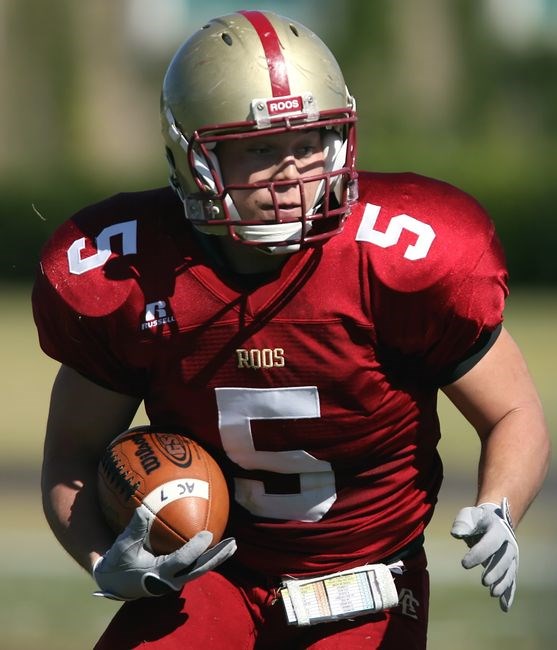
Cornerbacks in the 5‑2 combine man coverage on the outside with zone over the middle. They line up in a 3‑point stance‚ feet shoulder‑width apart‚ hips low‚ eyes on the receiver. On a short route or slant‚ the corner drops into a 3‑point man stance‚ keeping the ball in front and reading the quarterback’s eyes. For deeper routes‚ the corner slides laterally into a 3‑point zone‚ maintaining a 3‑to‑4‑yard cushion. The safety‚ positioned 10–12 yards behind the line‚ is the last line of defense. The strong safety aligns closer to the line to support run defense‚ while the free safety stays deeper‚ reading the play and providing help over the top. Both safeties must keep gap integrity‚ stepping into the box if a run breaks through. In pass coverage‚ the corner’s primary task is to prevent the receiver from gaining yardage‚ using footwork‚ hip rotation‚ and hand placement to stay in front. The safety reads the quarterback’s intention‚ anticipates deep routes‚ and delivers a blow‑down or supports the corner on a contested catch. The playbook stresses communication: cornerbacks call “man” or “zone” to the safety‚ who adjusts his depth accordingly. Drills like “mirror‑and‑slide” and “gap‑to‑gap” develop lateral quickness for corners‚ while “read‑and‑react” drills sharpen the safety’s anticipation. The 5‑2’s philosophy relies on these two positions to neutralize the passing attack‚ forcing quick decisions and limiting big‑play potential. Consistent execution ensures a balanced defense that adapts to both run and pass plays. Coaches should review film to refine technique.

Alignment Charts and Playbook Resources
Download sample diagrams for pro‑I‚ tight‑I‚ and wing‑T formations. Templates include gap assignments‚ stances‚ and stunt options. Practice drills link to PDF sheets‚ enabling teams to rehearse alignments and adjust to offensive shifts. Resources are free for coaches.
Sample Alignment Diagrams for Common Offenses
Our PDF contains detailed line‑up sketches for the most frequently encountered offensive sets‚ allowing coaches to visualize the 5‑2 front in real‑time scenarios.
The tight‑I diagram illustrates a slightly wider stance‚ with the nose guard over the center and the tackles positioned to mirror the tight end’s placement.

The wing‑T diagram features the defensive line shifting to the left side‚ creating a 2‑3 front on the strong side‚ while the linebackers adjust to cover the wing and the tight end.
The double‑wing diagram shows the defensive line moving to the weak side‚ allowing the linebackers to occupy the A and B gaps on both sides.
The twins diagram demonstrates a balanced front‚ with the defensive line aligned over the center and the ends on the outside shoulder of the tackles‚ and the linebackers positioned in the middle gaps to counter the twin‑back spread.
Each diagram includes gap assignments‚ stunts‚ and suggested hand‑off assignments‚ enabling coaches to quickly adapt the 5‑2 front to any offensive play.
These visual aids are essential for teaching players the importance of gap integrity and the coordination required to maintain a cohesive defensive stance against diverse offensive formations.
The diagrams also provide quick reference charts for gap numbering‚ hand‑off signals‚ and blitz timing‚ allowing coaches to drill specific scenarios such as power‑run‚ zone‑coverage‚ and play‑action passes. These tools help teams adapt to any offensive adjustment on the fly. with real‑time feedback. Now!
Downloadable PDF Templates and Practice Drills
Our collection offers fully annotated PDF templates that break down every position in the 5‑2 front. Each sheet includes stance diagrams‚ gap responsibilities‚ hand‑off recognition cues‚ and suggested hand‑off timing. Coaches can download the templates in both portrait and landscape formats‚ ensuring compatibility with whiteboards and tablets.
Practice drills are grouped by skill level and focus area. For line players‚ we provide “Gap Integrity” drills that emphasize maintaining the A‚ B‚ and C gaps. “Stunt Coordination” drills teach linemen how to execute basic 3‑2 and 4‑1 stunts while preserving gap control.
For linebackers‚ the “Gap Accountability” drill trains them to read the snap and position themselves between the tackles.
Secondary drills include “Zone Coverage” exercises that reinforce the 5‑2’s emphasis on short‑yardage coverage‚ and “Man‑to‑Man Transition” drills that help cornerbacks and safeties shift from zone to man coverage.
All templates and drills are available for free download on our website. After downloading‚ coaches can print the sheets‚ upload them to a drive. The resources are designed to be implementable‚ allowing teams to start practicing the 5‑2 defense within the week of the season!!!!!!!
Practice consistently to master the 5‑2!